News & Commentary
May 11, 2020
What’s actually happening with Connecticut’s discretionary releases from prisons and jails?
The numbers don’t reflect an unprecedented response to save incarcerated lives, especially Black and Latinx lives.
By Melvin Medina, Meghan Holden

Apr 21, 2020
If CT prisons and jails were a town, they’d have the highest COVID-19 infection rate in the state.
Even if Lamont and the DOC continue to ignore the people who they should have been listening to all along, they should pay attention to the numbers, which show that the DOC’s reactionary, backward-looking response to COVID-19 is not working.
By David McGuire, Melvin Medina
Apr 13, 2020
Connecticut Agencies Have a Lot of Independent Authority to Protect Public Health by Releasing Incarcerated People. So Far, These Agencies Have Refused to Act.
Under state law, more than 100 different state government agencies – including the Governor and DOC – could take steps right now to reduce the number of people who are sitting in prisons, where they are at risk during the COVID-19 pandemic.
By Kelly McConney Moore
Mar 27, 2020
Smart Justice asks Governor Lamont & Legislators to Protect Incarcerated People from COVID-19
Smart Justice has been speaking out for weeks about the urgent need for Governor Lamont, members of the Connecticut General Assembly, and other decision makers to act. Watch their calls to action in this powerful video series.

Mar 10, 2020
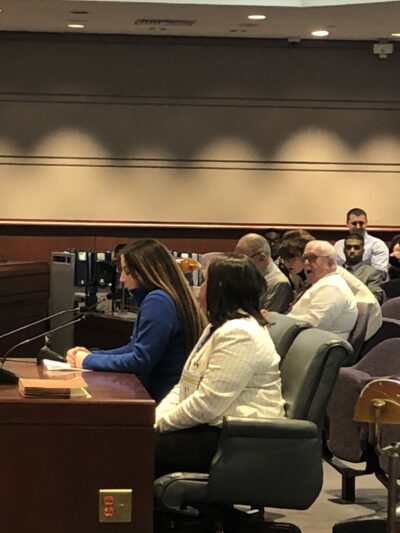
Smart Justice leader testifies in support of strong Clean Slate
During a packed public hearing, Smart Justice leader Ciara Rosati testified in support of S.B. 403, a bill introduced by the Judiciary Committee that would create a strong Clean Slate law in Connecticut.
Mar 06, 2020
What is Clean Slate?
Fundamentally, Clean Slate is about providing a light at the end of the tunnel for people who are dealing with the collateral consequences of a record – inability to find housing, employment, education, or even insurance or financial products, based solely on a scarlet letter from their past.
By Melvin Medina
Mar 05, 2020
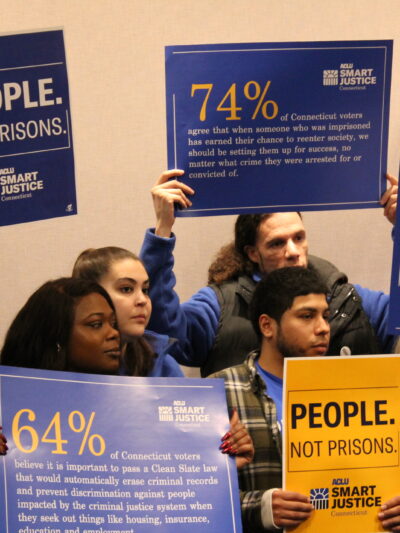
Smart Justice testifies in support of anti-discrimination bill
Five Smart Justice leaders and organizers spoke truth to power about the need for Connecticut to pass a bill to prevent discrimination against people solely based on their records of arrest or conviction.

Mar 02, 2020
Can We Trust the Government to Respond to the Coronavirus in a Fair and Effective Manner?
The ACLU will be watching closely to make sure the government's response is scientifically justified and no more intrusive on civil liberties than absolutely necessary.
By Jay Stanley, National ACLU


Stay Informed
Sign up to be the first to hear about how to take action.
By completing this form, I agree to receive occasional emails per the terms of the ACLU’s privacy statement.
By completing this form, I agree to receive occasional emails per the terms of the ACLU’s privacy statement.